
Rockwool Attic Insulation: The Orange County Owner’s Guide
We stock and install Rockwool attic insulation throughout Orange County, with most full-attic Rockwool jobs running between $1,800 and $4,200 depending on square footage and existing insulation removal. Same-day and next-day installation is available in most Orange County ZIP codes, and the crew carries Rockwool batts and boards on the truck so we can start the moment we arrive. Most Orange County homeowners discover their Rockwool insulation has failed the same way: a bedroom that won’t hold temperature, an electric bill that climbed twenty percent in one summer, or visible settling in the attic after a roof repair. Here’s what we know from years of pulling failed insulation out of attics from Anaheim to San Clemente.
Which Rockwool Models This Applies To
Rockwool makes two product lines that matter for Orange County attics: Comfortbatt (semi-rigid batts, most common in residential attics) and Comfortboard (rigid boards, typically used against roof decks or in cathedral ceilings). Comfortbatt is the workhorse of the two. It comes in R-values from R-15 to R-30, and the two sizes we see in Orange County ceilings are the 16-inch and 24-inch on-center widths. If your joists are 16 inches on center, the batt width is 15 inches. If they’re 24 inches on center, the batt is 23 inches. This is the single most common ordering mistake we see from homeowners who buy their own material: they buy 23-inch batts for 16-inch joists and end up with a compressed, underperforming install.
Rockwool does not sell a “system” that locks you into proprietary parts the way some HVAC brands do. The material is rock wool spun from basalt and slag, and it works with any standard attic ventilation setup. What matters more than the brand stamp is the density and the R-value stamped on the facing. Rockwool’s density runs about 2.4 pounds per cubic foot for Comfortbatt, which is noticeably heavier than fiberglass. That density is why it holds its shape in Orange County attics where summer temperatures regularly push past 140 degrees. If you have older Rockwool from a previous decade, the facing may read “Roxul” – the company rebranded to Rockwool in 2018, but the product is the same mineral wool. We match by measurement and current R-value, not just the label.
Signs Your Rockwool Attic Insulation Is Failing
- Uneven room temperatures between floors or sides of the house. Rockwool doesn’t slump the way blown fiberglass can, but batts that were cut too short or pushed aside during a remodel leave bare ceiling bays. Heat finds those gaps in minutes on an August afternoon.
- Visible settling or gaps along the ceiling joists in the attic. Rockwool is semi-rigid, so it holds shape better than fiberglass, but if it was installed in a damp attic or has been walked on repeatedly, we see compressed edges and exposed joist tops. The thermal bridge at each exposed joist is a direct heat path.
- Higher summer cooling bills without a change in your thermostat habits. In Orange County’s inland zones – Anaheim Hills, Orange, Tustin, Yorba Linda – we see attics hitting 150 degrees in July. When insulation fails, your AC runs longer to fight the radiant heat coming through the ceiling. Homeowners notice the bill first.
- Pest activity in the attic. Rats and mice in Orange County love attics, and Rockwool’s density doesn’t stop them from tunneling into it. We regularly find batts chewed into nesting material in homes near Santiago Creek and Irvine Regional Park. Damaged batts lose R-value fast.
- Damp or musty smell coming from the attic after winter rains. Rockwool is hydrophobic, which means water runs off it rather than soaking in – but water can still get behind it and sit against the drywall if a roof leak or bathroom exhaust vent is misdirected. Wet drywall and damp framing under the batts is a failure of the install, not usually the Rockwool itself.
Replacement Cost & What’s Included
Here’s the honest breakdown for Rockwool attic insulation replacement in Orange County. We don’t hide parts cost inside a labor number. You get a written quote before a single batt comes off the truck, and the number we quote is the number you pay.
- Rockwool Comfortbatt R-30 material: $0.90 to $1.20 per square foot, depending on the area being insulated and the quantity required.
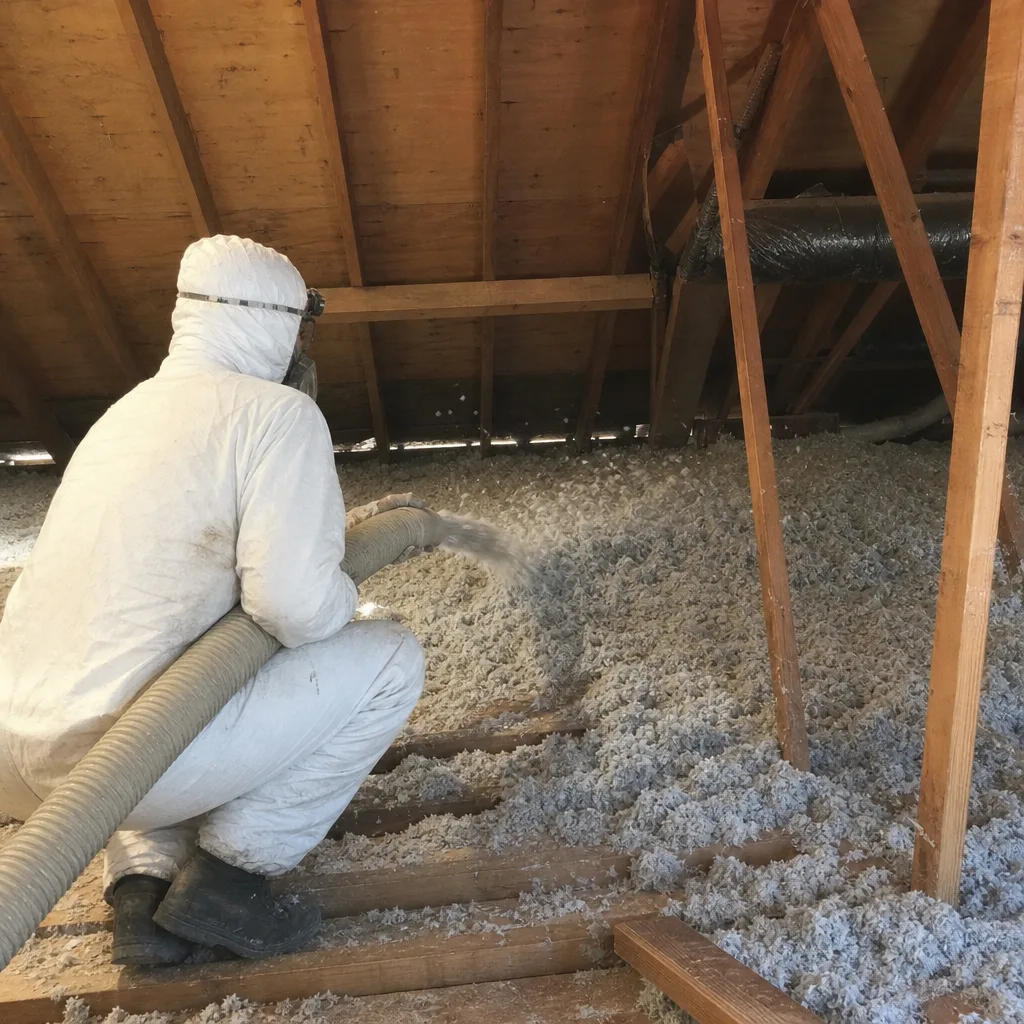
- Removal of existing failed insulation: $0.35 to $0.55 per square foot. Old fiberglass, vermiculite, or damaged Rockwool comes out first. This is a dirty job. We bring the vacuum, the bags, and the respirators.
- Air sealing and prep of the attic floor: $250 to $600 depending on the number of penetrations to seal – can lights, plumbing stacks, duct boots. Sealing before insulating is the difference between insulation that performs and insulation that just sits there.
- Installation labor: $0.65 to $0.90 per square foot. Includes cutting, fitting around trusses and wires, and walking the final layer with you before we leave.
A typical 1,200-square-foot Orange County attic with full tear-out and Rockwool R-30 runs $3,000 to $4,200 all-in. Smaller attics or attics where the old insulation can stay start around $1,800. What drives the range: attic accessibility, how much old material has to come out, and whether we’re sealing air leaks while we’re up there. Every job carries the 365-Day Done Right Promise in writing – if any part of the install fails within a year, we make a second trip at no cost and fix it.
DIY or Call Us?
You can safely check your attic for the obvious signs: walk to the access hatch, shine a light, and look for gaps, settled batts, or pest damage. If you’re comfortable on a ladder, you can measure the joist spacing and the depth of what’s up there. That’s about where we’d stop the DIY conversation for most Orange County homeowners. Rockwool isn’t dangerous to handle the way spray foam chemicals can be, but a 140-degree summer attic is genuinely dangerous. You need knee boards to avoid putting a foot through the ceiling, you need a respirator for the dust from old insulation, and you need to know where the ducting and wiring run before you start dragging material across them.
A wrong measurement or a tight cut around a recessed light can reduce the insulation’s performance by more than the cost of hiring us in the first place. And Orange County attics in August are not where you want to learn on the job. If you want to handle the inspection and call us with what you find, we’ll quote it over the phone. If you’d rather skip the attic entirely, call (559) 249-4794 and we’ll send a tech out to do the assessment. Garrett’s rule: “If your attic is working against you, your AC never wins.”
FAQs
Rockwool batts can perform for 50 years or more if they stay dry and undisturbed. The material itself doesn’t break down, but in Orange County the real lifespan limiter is pest activity and roof work. We see Rockwool that was installed in the late 1980s still performing fine in parts of Fullerton, and we see year-old batts destroyed by rats in Tustin. The 365-Day Done Right Promise covers our install for a full year – after that, longevity depends on keeping animals out and keeping the attic dry. Call (559) 249-4794 if you want us to inspect what’s up there now.
Yes, in a lot of cases. If you have two or three batts that were pushed aside during a remodel, or a section chewed by rodents, we can pull those batts and refit new ones in under an hour. The repair makes sense when the rest of the attic is in good shape. If the majority of the insulation is compressed, damp, or pest-damaged, patching isn’t worth it – the R-value loss across the whole attic is too great. We’ll tell you which situation you have after a 20-minute attic walk. That assessment is free.
Most single-story Orange County attics are done in one day. A full tear-out and re-insulate of a 1,200-square-foot attic takes a two-person crew about six to eight hours, including cleanup and the final walkthrough. Two-story homes or attics with limited access can stretch into a second day. We start early in the morning during summer months to beat the heat, and the crew leaves the attic and the hallway below it cleaner than they found it.
We stock Rockwool Comfortbatt and Comfortboard on the truck and in our Orange County shop, along with material from Owens Corning, Johns Manville, Knauf, CertainTeed, Icynene, Demilec, GreenFiber, and Reflectix for radiant barrier applications. That means in most cases we can start the day you call. If your attic needs a specific R-value or board thickness we don’t have in the truck, it’s typically available within one to two business days from our local supplier. We’ll tell you the lead time before you commit to anything.
If your Rockwool attic insulation needs attention in Orange County, call (559) 249-4794 for a free estimate and a written price before any work starts. A live person answers, day or night.
Written by Garrett Sloane, Owner, Aspen Attic Insulation Orange County at Aspen Attic Insulation Orange County, serving Orange County and nearby areas.